Creating a Floral Wedding Invitation Card Design: A Practical Guide for Seamless Implementation
Floral wedding invitation card design is more than just an aesthetic choice—it's a crucial part of the wedding planning process that sets the tone for your big day. These invitations serve as the first impression of your event, and when done right, they reflect your personality, style, and the overall theme of the celebration. Whether you're a bride-to-be, a wedding planner, or someone looking to create custom designs for clients, understanding how to implement a floral wedding invitation card design efficiently can save time, enhance professionalism, and ensure consistency across all your wedding materials.
Understanding the Role of Floral Designs in Wedding Invitations
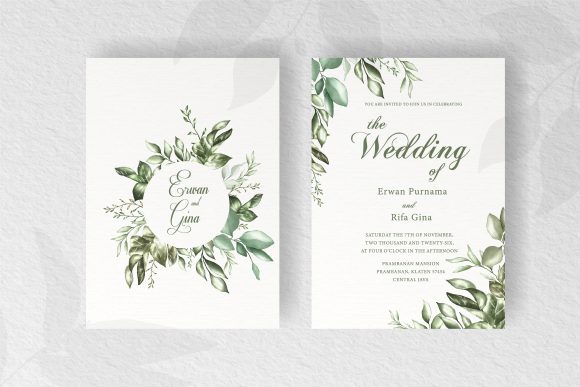
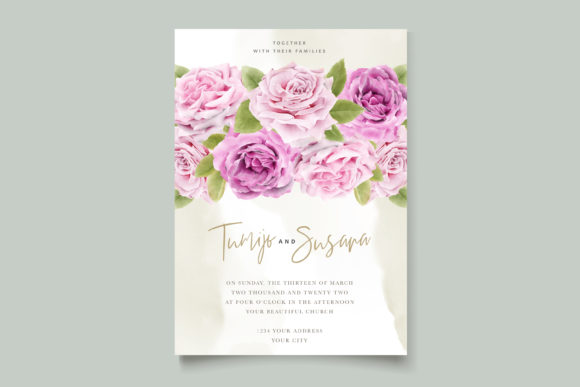
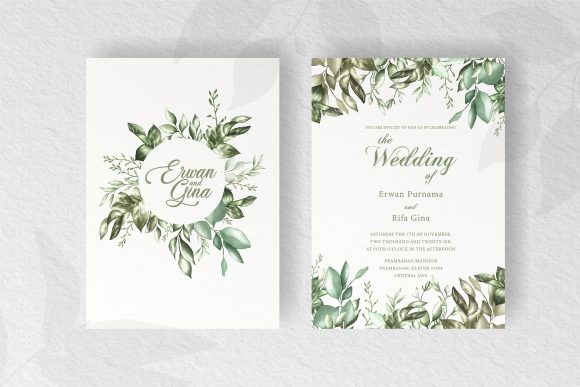
Floral motifs have long been associated with romance, elegance, and natural beauty. In the context of weddings, these elements are used to evoke warmth and charm. A floral wedding invitation card design typically includes botanical illustrations, flower borders, or soft pastel color schemes that align with seasonal themes or venue aesthetics. It’s a design choice that blends tradition with personalization, allowing couples to showcase their unique love story through visual storytelling.
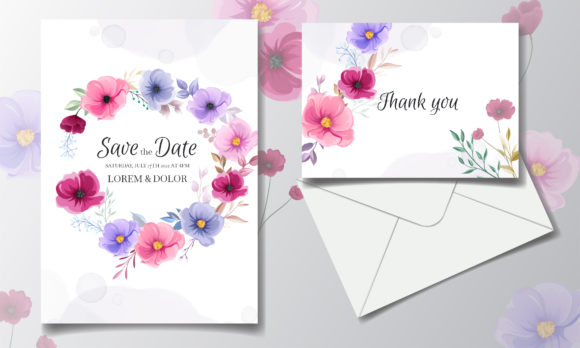
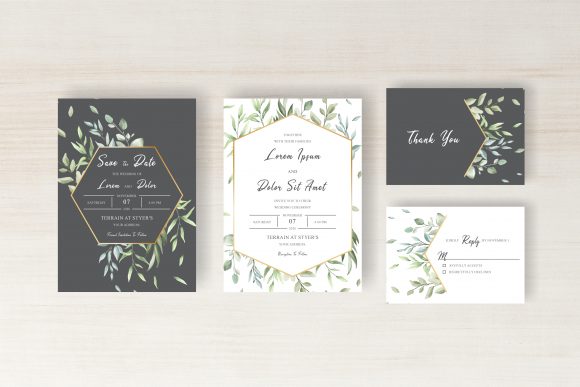
This type of design fits into the broader wedding planning workflow during the early stages—ideally after selecting the venue and finalizing the event's color palette and theme. The invitation should match other printed materials like thank-you cards, menus, and signage, making it essential to establish a cohesive visual language from the start.
Key Features to Look for in a Floral Wedding Invitation Card Design
When sourcing or creating a floral wedding invitation card, certain features make the process easier and more effective:
- Easy to Use: A good template allows quick editing without requiring advanced design skills. This is especially important if you're managing multiple aspects of the wedding yourself.
- Customizable Text Color: The ability to adjust text colors ensures that your names, date, and location stand out against the floral background. Opt for high-contrast combinations to maintain readability.
- Free Font Usage: Using a free font eliminates licensing concerns and makes your design accessible for both digital sharing and printing. Choose fonts that complement the floral elements—script or serif fonts often work well for a romantic feel.
Files Included in a Floral Wedding Invitation Card Design Template
A typical floral wedding invitation card design package includes the following files to support various use cases:
- EPS File: Ideal for professional printing and scalability without quality loss. EPS is preferred by print shops because it maintains sharpness at any size.
- AI File: Adobe Illustrator format gives you full control over vector-based elements, making it easy to tweak the layout, colors, and typography before sending it off for production.
Having access to these file types ensures compatibility with different platforms and workflows. For example, if you need to send a digital version via email or social media, you might convert the AI/EPS to PDF or JPEG formats. But starting with editable vectors gives you the flexibility to adapt the design for any medium or platform later on.
Template Card Details and Dimensions
Most floral wedding invitation templates come in standard sizes to simplify printing and mailing. One common dimension is 5×7 inches, which is widely supported by printers and envelope manufacturers. Choosing a consistent size helps streamline logistics such as postage costs and RSVP tracking systems.
The design should include key sections such as:
- Your names and titles (e.g., Mr. & Mrs.)
- Date and time of the event
- Venue details and address
- RSVP instructions and deadline
- Optional elements like a map, dress code, or event itinerary
Make sure each section is clearly defined and spaced appropriately. Even the most beautiful floral design can be undermined by poor layout or legibility issues.
How to Integrate a Floral Wedding Invitation Card Design Into Your Workflow
Integrating a floral wedding invitation card design into your project involves several practical steps. Here's how to approach it effectively:
- Define Your Theme: Start by identifying the overall look you want for your wedding. Are you going for a rustic barn theme with wildflowers? Or perhaps a classic ballroom affair with peonies and roses? Let this guide your floral choices.
- Select a Template: Choose a template that offers flexibility and aligns with your vision. If using a pre-made design, look for one with layers so you can edit text, colors, and images independently.
- Edit with Purpose: Open the AI or EPS file in Adobe Illustrator. Adjust the text color to match your chosen palette. Replace placeholder text with your details and double-check for accuracy before finalizing.
- Export for Different Uses: Save the final design in multiple formats—PDF for printing, JPEG for digital sharing, and PNG for web use. Make sure the resolution is high enough for professional results.
- Coordinate with Other Materials: Use the same floral motif and color scheme in subsequent designs like programs, place cards, and signage. This creates a unified brand identity for your event.
By integrating the floral design into your overall project management system, you avoid inconsistencies and reduce the need for rework. Tools like Canva or Adobe Spark can also help you test variations quickly before committing to the final design.
Workflow Examples and Best Practices
Here’s a real-world workflow example for implementing a floral wedding invitation card design:
- Week 1–2: Research floral styles and select a design that reflects your theme. Consider hiring a graphic designer if you want a bespoke look but lack technical skills.
- Week 3: Edit the template using your chosen software. Add names, dates, and locations. Preview the layout for balance and clarity.
- Week 4: Get feedback from family or friends. They can spot errors or suggest improvements based on readability and aesthetics.
- Week 5: Print sample copies to check quality and make adjustments if needed. Confirm with your printer about paper stock, ink colors, and finishing options.
- Week 6: Finalize the design and prepare bulk prints. Simultaneously, export digital versions for email invites or online RSVP forms.
This phased approach allows you to manage expectations and ensures the design is polished before distribution. It also provides time to iterate and improve based on real input rather than assumptions.
Compatibility and Usability Tips
When working with a floral wedding invitation card design, consider the following to maximize usability and efficiency:
- Software Compatibility: Ensure you have access to Adobe Illustrator or another compatible program. Some templates may require specific versions or plugins.
- Font Consistency: Stick to one or two fonts throughout the design. Mixing too many can confuse the reader and dilute the visual appeal.
- Color Matching: Use the same Pantone or CMYK codes across all printed materials. This guarantees color consistency between your invitations and other event assets.
- File Organization: Keep your source files, proofs, and final outputs in a dedicated folder. Label them clearly so others involved in the planning can easily locate and reference them.
For non-designers, using tools like Photoshop or even PowerPoint can still yield good results if the template is structured well. Always work in high-resolution mode to avoid blurry outputs when exporting for print.
Quality Control and Long-Term Use
Before sending your floral wedding invitation card design to print or share digitally, conduct a thorough review. Check for typos, formatting issues, and alignment problems. A small mistake like an incorrect date can lead to confusion and last-minute changes, which can be costly and time-consuming.
If you plan to reuse the design for future events—such as baby showers or anniversary celebrations—build in modularity. For example, keep the floral border separate from the main content area so you can repurpose the background without redoing the entire layout.
Additionally, store your source files in a cloud-based platform like Google Drive or Dropbox. This protects against data loss and makes it easy to collaborate with vendors or team members who may need to make minor tweaks later.
Use Cases Beyond Traditional Printing
A floral wedding invitation card design isn't limited to paper. Many couples now opt for hybrid approaches, combining physical and digital invitations. You can turn your floral design into:
- Email Invites: Export the design as a flat image and embed it in a clean HTML email template.
- Social Media Posts: Resize the invitation to fit Instagram, Facebook, or Pinterest dimensions while keeping the core design intact.
- Interactive Online Invitations: Upload the design to platforms like Paperless Post or Evite and add animations or links for RSVPs and gift registries.
These adaptations allow you to reach a wider audience and track responses more efficiently. Just ensure that the digital versions retain the same level of detail and elegance as the printed ones.
Collaboration and Decision-Making
Wedding planning often involves collaboration with multiple stakeholders. When using a floral wedding invitation card design, it's important to involve the right people at the right time:
- Spouse or Partner: Align on the overall look and message early in the process to avoid backtracking later.
- Print Vendor: Share the final file with them as soon as possible to discuss turnaround times and pricing.
- Event Planner or Designer: If you're working with a professional, let them review the design to ensure it complements the rest of the event visuals.
- Family Members: Send a draft to close relatives for feedback, especially if they'll be helping with distribution or guest communication.
Each stakeholder brings a unique perspective, and incorporating their insights can lead to a better final product. However, avoid overcomplicating the design with too many opinions. Stay focused on the core elements that convey your wedding’s essence.
Practical Observations and Time-Saving Hacks
One practical tip is to invest in a good template upfront. While it might seem tempting to customize a basic design for speed, poorly constructed templates can limit your creativity and lead to frustrating revisions. A professionally built floral wedding invitation card design will offer more customization options and save time in the long run.
Another useful observation is to leverage seasonal flowers in your design. Spring weddings might feature cherry blossoms or tulips, while autumn events could incorporate marigolds or dahlias. Not only does this make the design more relevant, but it also helps guests visualize the setting and season of the event.
Finally, always keep a backup copy of the original template. That way, if you ever want to revisit or modify the design for another purpose—like a thank-you card or a welcome bag tag—you won’t have to recreate everything from scratch.
Conclusion
Incorporating a floral wedding invitation card design into your planning process requires attention to detail, strategic timing, and a clear understanding of how the design interacts with other elements of your event. By focusing on practical implementation, compatibility, and long-term use, you can create a stunning invitation that enhances your wedding experience and leaves a lasting impression on your guests.