Photography Business Card Design: A Modern Tool for Branding and Networking
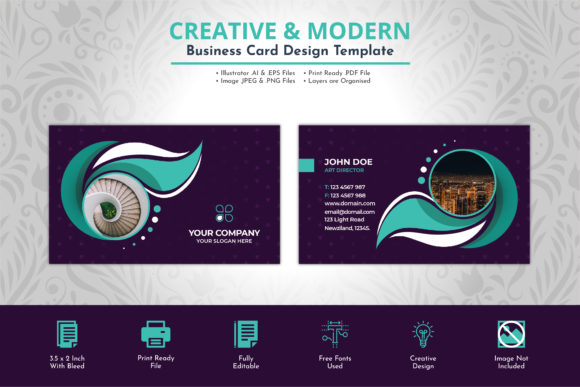
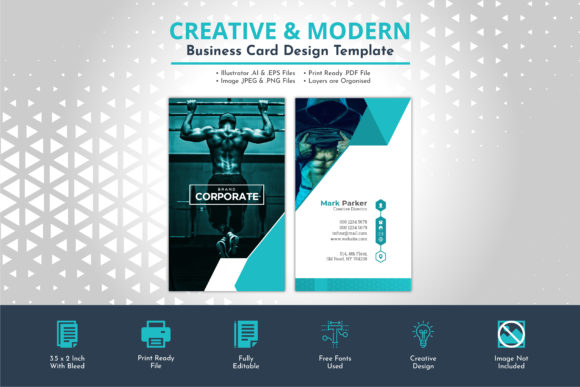
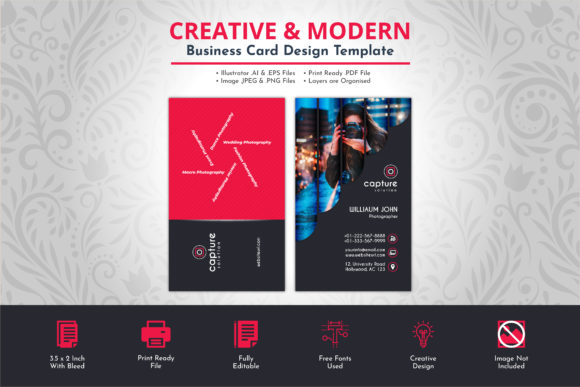
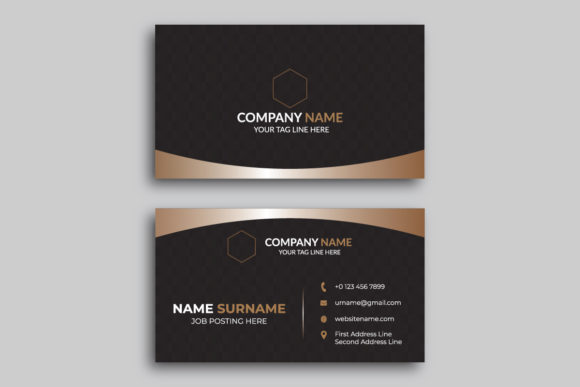
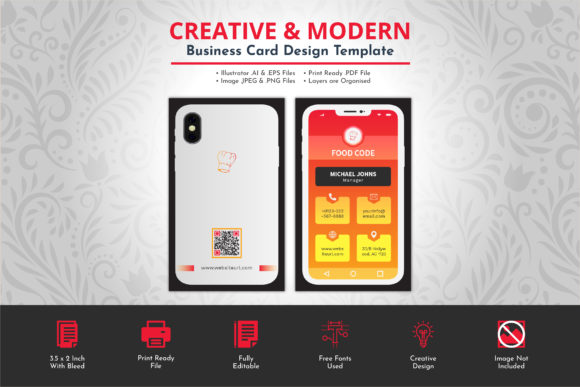
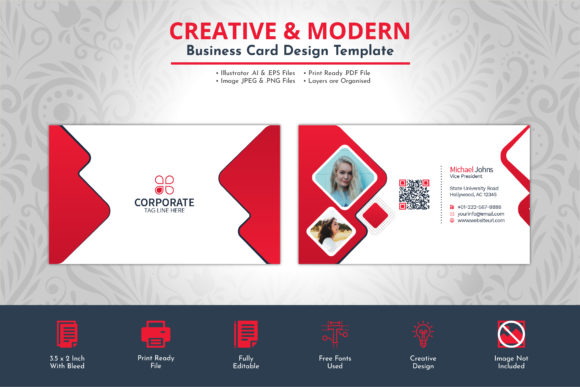
A photography business card design is a specialized type of business card tailored to showcase the services, brand identity, and personal or corporate information of a photography business. Unlike generic cards, these are crafted with visual appeal in mind, often featuring high-quality images, clean layouts, and modern typography to reflect the creative nature of the profession.
Why Consider a Photography Business Card Design?
For photographers, whether freelance or part of a larger studio, a well-designed business card serves as more than just a contact tool—it's an extension of their portfolio. A strong photography business card design can leave a lasting impression on potential clients, partners, or collaborators by aligning with the aesthetic values of the brand. This is especially important in a visually driven industry like photography, where first impressions matter significantly.
Moreover, such designs are often created using print-ready specifications, ensuring they look professional when printed. They typically come with features that allow customization, making it easy to tailor them to your unique needs without requiring advanced design skills.
Key Benefits of Using a Clean, Modern Design
- Brand Consistency: A modern business card allows you to maintain a cohesive visual identity across all touchpoints. You can match colors, fonts, and imagery directly with your website, logo, and social media profiles.
- Professional Appearance: With high-resolution graphics (300 DPI), CMYK color mode, and bleed included, the final product looks polished and ready for professional use.
- Customizability: These templates are editable, so you can change text, adjust colors, and replace images with those that best represent your work.
- Multiple File Formats: Files usually include AI, EPS, PNG, JPEG, and PDF formats, providing flexibility depending on how you plan to use or distribute the card.
- User-Friendly Features: Well-organized layers, free fonts, and a help guide make it easier for even non-designers to modify the layout effectively.
Potential Tradeoffs and Considerations
While a modern photography business card design offers many advantages, there are some considerations to keep in mind before investing time or money into one:
- Image Quality: The design may include sample photos, but actual client visuals should be used for a more authentic representation. Be prepared to source or create high-quality images that align with your brand.
- Design Complexity: Although most templates are user-friendly, some intricate elements might require basic knowledge of graphic design software like Adobe Illustrator or Photoshop.
- Printing Costs: While the file is print-ready, costs can vary depending on the printing service and the materials you choose, such as matte vs. glossy finishes or rounded corners.
- Relevance to Audience: Ensure that the design appeals to your target market—whether it's wedding photographers aiming for elegance or commercial shooters looking for a bold, minimalist style.
When a Photography Business Card Design Is a Strong Fit
A clean, modern, and creative business card is particularly effective in the following scenarios:
- Portfolio Showcases: When handing out cards at art shows, exhibitions, or networking events, a sleek design reinforces your professionalism and attention to detail.
- New Business Launches: For photographers starting out, a stylish business card helps establish credibility and sets the tone for future interactions.
- Corporate Use: If you offer photography services to businesses, a corporate-style business card with your company name and logo makes it easier to integrate into official branding efforts.
- Print-on-Demand Services: Many online platforms allow you to upload your customized design and order prints in bulk. Having a ready-to-use template streamlines this process.
Situations Where Alternatives Might Be Worth Considering
Despite its benefits, a photography business card design isn't always the best option. In certain situations, alternative approaches may better meet your goals:
- Minimal Budgets: If cost is a concern, consider using digital-only business cards or simpler, less elaborate print templates that still convey necessary information clearly.
- High Volume Printing: Some custom designs may not be optimized for large-scale printing. It’s worth checking if the template supports standard mass production processes.
- Non-Visual Industries: If your photography business operates in a niche unrelated to visual aesthetics, a more traditional business card might be more appropriate.
- Environmental Concerns: If sustainability is a priority, explore eco-friendly materials or reusable alternatives like digital portfolios or QR code-based cards.
Decision-Making Insights for Choosing the Right Design
Selecting the right photography business card design requires evaluating several factors to ensure it meets both your functional and aesthetic needs:
- Define Your Purpose: Ask yourself what you want the card to achieve. Is it for client outreach, networking, or internal use? Each purpose may call for a different design approach.
- Understand Your Audience: Tailor the design to suit the preferences of your target demographic. A luxury wedding photographer might prioritize elegant fonts and premium paper, while a travel blogger could lean into vibrant colors and adventurous imagery.
- Check Technical Specs: Confirm that the design includes bleed, uses CMYK color mode, and has a high resolution. These details are crucial for achieving a sharp, professional finish during printing.
- Assess Customization Options: Look for templates that let you easily edit text, change colors, and update images. A well-organized layer structure ensures you won’t struggle with minor adjustments.
- Evaluate Support Resources: A good design comes with a help guide or tutorial. This can save time and reduce frustration, especially if you're new to editing vector files.
Expectations and Best Practices
When working with a creative professional business card, it's important to manage expectations and follow best practices to maximize the value of the template:
- Time Investment: While customizable, the design may take some time to personalize fully. Plan accordingly if you need cards quickly.
- Font Experimentation: The template often includes suggestions for main title fonts, allowing you to experiment and find the perfect match for your brand voice.
- Proofreading: Always review the final version for typos or formatting issues. Even small mistakes can undermine professionalism.
- Test Prints: Before ordering a large batch, get a test print to check color accuracy, image quality, and overall appearance.
- Feedback Loop: Share the design with peers or mentors to gather insights and improve based on real-world reactions.
Final Thoughts on Aligning with Your Goals
A print-ready photography business card design can be a powerful marketing asset if it aligns with your brand identity and business objectives. It’s especially valuable for professionals who rely heavily on visual storytelling and face-to-face interactions. However, it's essential to weigh the pros and cons based on your specific situation.
If you're looking for a versatile and aesthetically pleasing way to promote your photography business, a modern business card template could be the right choice. Just remember to assess your needs carefully and ensure the final product reflects your vision accurately. With the right design, your business card becomes more than just a piece of paper—it becomes a memorable introduction to your work.