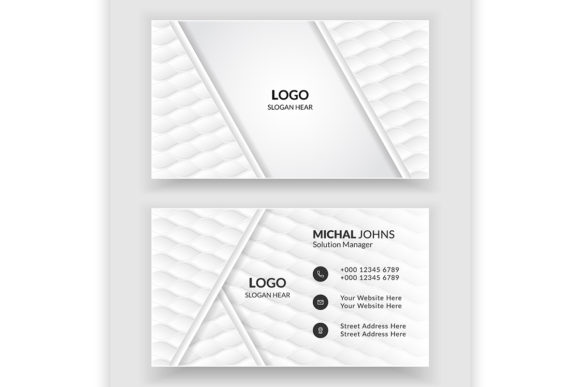
Visiting Card in White Color: Simple, Modern, and Professional
A visiting card in white color is more than just a piece of paper—it's your personal or company introduction in a compact form. In today’s fast-paced business world, making the right first impression is crucial. A well-designed visiting card can open doors to new opportunities, build trust, and reflect your brand’s identity. When you choose a white visiting card, you’re not just selecting a color; you're embracing simplicity, elegance, and modernity.
Why Choose a White Visiting Card?
White cards have a timeless appeal that works across industries. Their clean background allows for bold typography, striking graphics, and creative layouts without visual clutter. This makes them especially popular among professionals who want their information to stand out clearly and confidently.
Whether you're an entrepreneur launching a startup, a freelancer showcasing your services, or a marketer promoting a product, a modern business card design template in white offers a versatile canvas. You can easily customize text, colors, and backgrounds to match your branding needs—no need for advanced graphic design skills.
Key Features of White Business Cards
- Easy Customizable and Editable: With user-friendly templates, you can tweak every detail from font style to layout.
- EPS File Support: High-quality vector files ensure crisp printing at any size.
- Free Font Use: Many templates come with royalty-free fonts, saving you time and money on licensing.
- Standard Size (3.5×2 Ratio): Compatible with most printers and cardholders, offering a professional fit.
Designing Your Own White Business Card
Creating a visiting card in white color doesn’t require a designer. Most modern templates are built with drag-and-drop tools or simple editing software like Adobe Illustrator or online platforms such as Canva. You can add your name, title, contact info, QR code, logo, or even a short tagline. The key is to keep it minimal yet informative.
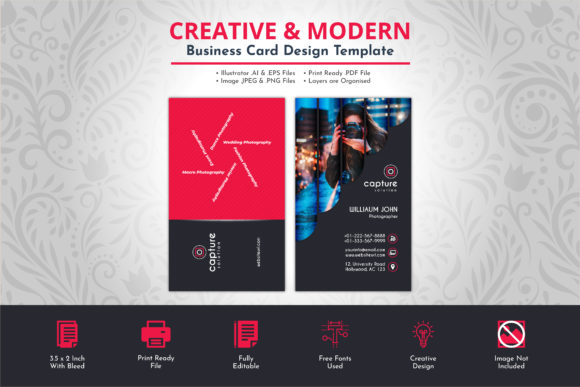
For example, a freelance photographer might use a white card with a black border and high-contrast text. A tech startup could feature a sleek sans-serif font paired with subtle gradients or icons. The possibilities are endless when you start with a blank, white slate.
Beginner-Friendly Tips for Designing
- Start with a Template: Use a modern business card design template to avoid common mistakes and save time.
- Focus on Readability: Even with a minimalist look, make sure your contact details are easy to read.
- Use High-Quality Images: If including a logo or image, ensure it’s clear and scalable.
- Stick to Brand Colors: While the base is white, using one or two accent colors helps maintain brand consistency.
Practical Uses for White Visiting Cards
White business cards are ideal for a variety of scenarios:
- Networking Events: Stand out with a clean, professional look that’s easy to scan and remember.
- Client Meetings: Present yourself as organized and trustworthy with a polished design.
- Portfolio Showcases: Pair with printed work samples for a cohesive and elegant presentation.
- Online Businesses: Print and hand out during local meetups or include in welcome packages for digital clients.
- Academic or Educational Contexts: Great for teachers, researchers, or students looking to share contact details professionally.
Real-Life Examples
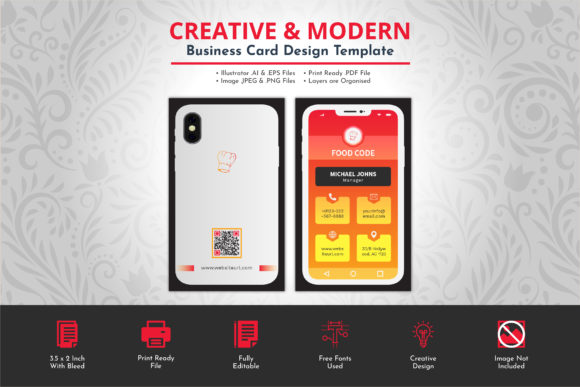
Consider a small café owner who uses a white card with a minimalist layout and a line drawing of their logo. It conveys a sense of calm and sophistication, aligning perfectly with their brand image. Or think of a digital marketing consultant who adds a QR code linking to their portfolio. The white background ensures the code is scannable and the overall design remains uncluttered.
How to Maximize the Value of Your White Business Card
The best part about a visiting card in white color is its adaptability. Here are some ways to get the most out of your design:
- Add a Personal Touch: Include a handwritten note on the back or a unique texture for added memorability.
- Print in Bulk: Take advantage of cost-effective bulk printing options available through many online services.
- Distribute Strategically: Hand them out at events, attach them to thank-you notes, or include them in service packages.
- Update Regularly: As your business grows, update your card to reflect new roles, services, or branding changes.
Things to Consider Before Printing
Before finalizing your modern business card design template, take a moment to review these important considerations:
- Purpose: Who will receive your card and what do you want them to do next? Keep this in mind while designing.
- Target Audience: Adjust the tone and content based on whether you're targeting clients, peers, or potential partners.
- Printing Quality: Ensure your chosen provider uses high-resolution EPS files for sharp results.
- Font Licensing: Check if the fonts you select are free for commercial use to avoid legal issues later.
- Size and Format: Confirm the design fits the standard 3.5×2 inch ratio to ensure compatibility with card holders and wallets.
Combining Simplicity with Creativity
One of the biggest advantages of a white visiting card is that it gives you room to experiment. You can play with layout, incorporate negative space, or use embossing techniques for a premium feel. For instance, adding a foil stamp in gold or silver can elevate the look without complicating the design.
Modern design trends favor minimalism, and a white card aligns perfectly with that movement. By focusing on clarity and simplicity, you communicate professionalism and confidence—two traits that resonate well in both traditional and digital business settings.
When to Go Beyond the Basics
If you’re unsure where to begin, don’t worry. Many platforms offer pre-made designs tailored to different industries. These fully editable templates allow you to plug in your details and adjust elements like background shades or icon placements. You can also layer images or textures subtly to create depth without overwhelming the eye.
For example, a yoga instructor may use a white card with a soft watercolor background and a serene quote. An IT consultant might prefer a white card with a dark header bar and technical icons. The beauty lies in how adaptable they are to different styles and purposes.
Getting Started with Your White Business Card
Ready to create your own visiting card in white color? Start by choosing a modern business card design template that suits your field. Make sure the template is fully editable so you can adjust everything from text alignment to color accents. Then, insert your information carefully, ensuring it’s concise and accurate.
Once your design is ready, export it as an EPS file for high-quality printing. Don’t forget to check the font usage policy—many templates now come with free-to-use fonts to eliminate extra costs. Finally, print your cards in a size compatible with the 3.5×2 inch ratio for maximum usability.
Where to Find Templates
You can find countless modern business card design templates online. Look for ones labeled as “white base” or “minimalist” to start with a clean foundation. Websites like Adobe Stock, Creative Market, and Canva offer both free and premium options that are easy to modify. Always preview your design before ordering to catch any errors or formatting issues.
Conclusion
A visiting card in white color is more than a design choice—it’s a strategic tool for building your presence in both physical and digital spaces. Its modern aesthetic, combined with full editability, makes it perfect for anyone who wants to project professionalism without sacrificing creativity. Whether you're handing one out at a conference or slipping it into a client’s folder, a white business card speaks volumes about your attention to detail and brand identity.
So, if you're looking for a fresh, clean way to represent your business or personal brand, consider starting with a white visiting card. It's a simple yet powerful solution that supports your goals and adapts to your needs with ease.