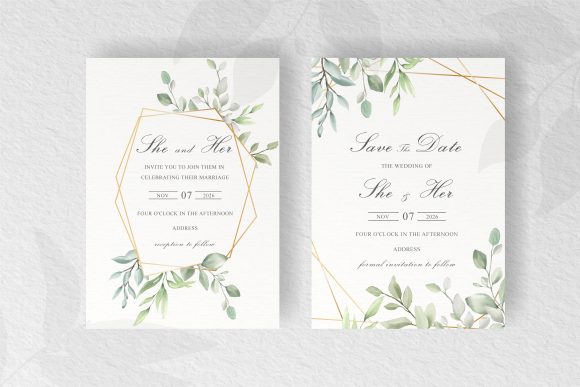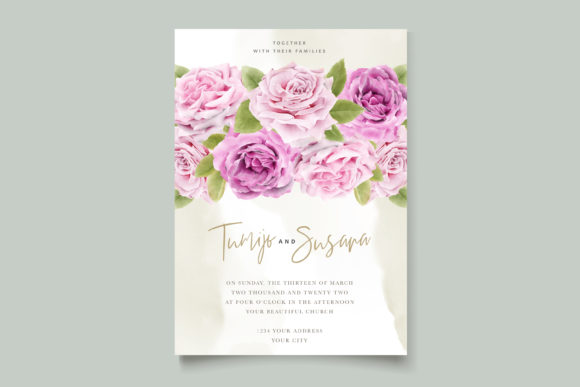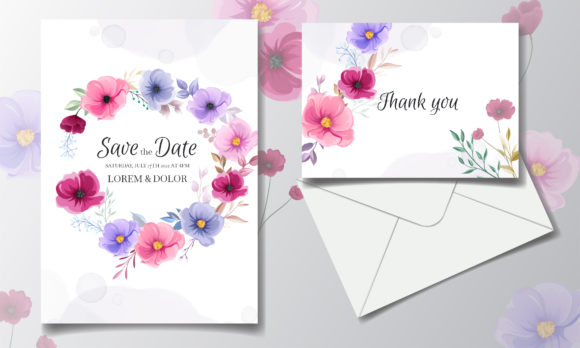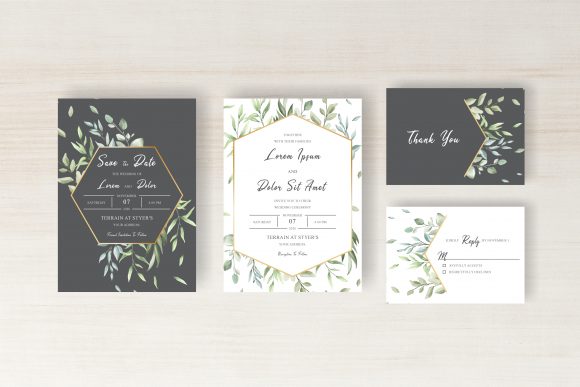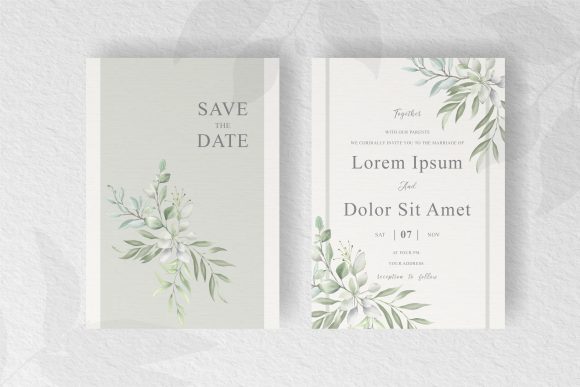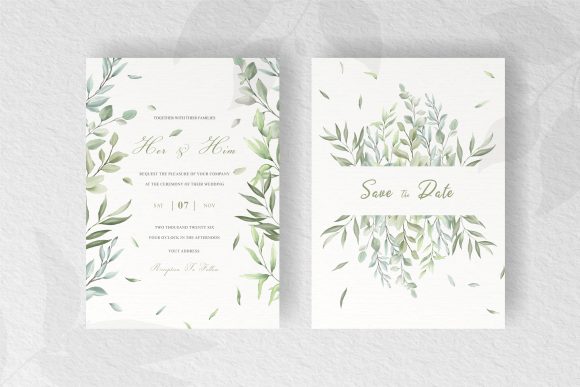
Watercolor Foliage Wedding Invitations: A Timeless and Trendy Choice for Modern Couples
When it comes to wedding invitations, the design you choose sets the tone for your entire event. It’s the first glimpse into your celebration that guests will see, making it a crucial element of your wedding planning process. Among the many styles available today, watercolor foliage wedding invitations have emerged as a favorite for couples who want their big day to feel both elegant and personal. These invitations blend the softness of watercolor with the beauty of natural elements like leaves, vines, and flowers, creating an aesthetic that is both romantic and artistic.
The Rise of Watercolor in Wedding Design
In recent years, watercolor has become a dominant trend in wedding stationery. Its popularity stems from its ability to convey warmth and creativity without being overly flashy. The watercolor technique allows for subtle gradients and textures, which can be tailored to match a wide range of wedding themes—from rustic barns to grand ballrooms. This versatility makes watercolor foliage wedding invitations particularly appealing, as they can easily adapt to suit different color palettes and styles while maintaining a cohesive visual identity.
Couples are increasingly moving away from traditional, formal designs in favor of more personalized options. Watercolor invites align perfectly with this shift, offering a handmade look that feels unique and heartfelt. Even though these invitations often come in digital formats, such as editable EPS or AI files, their appearance mimics the charm of hand-painted artwork, helping guests anticipate a memorable and stylish event.
Why Choose Watercolor Foliage?
Foliage motifs—like branches, leaves, and blossoms—are timeless symbols of life, growth, and renewal. When paired with watercolor techniques, they add depth and movement to wedding invitations. The use of watercolor foliage isn’t just about aesthetics; it also communicates a deeper message. It reflects a couple’s appreciation for nature, simplicity, and organic beauty. Whether your wedding is set in a garden, under a canopy of trees, or in a modern venue with a botanical theme, these invitations help create continuity in your event’s design language.
Moreover, the soft, blended hues of watercolor make it easier to incorporate seasonal colors. For example, spring weddings might feature pastel greens and pinks, while autumn events could lean into warm reds and browns. This flexibility ensures that your invitation doesn’t just look beautiful—it also tells a story about the time and place of your celebration.
Features That Make It Practical for Today’s Brides and Grooms
While the artistry of watercolor foliage wedding invitations is undeniable, their practicality is what truly sets them apart. One standout feature is their ease of use. Many templates come in editable formats like EPS or AI files, allowing users to customize text, colors, and layout without needing advanced graphic design skills. This accessibility means even those without a creative background can produce stunning results with minimal effort.
- Customizable Text Color: You can personalize your invitation by adjusting the text color to complement your chosen palette. This small change can significantly impact how the design is perceived, ensuring it matches your wedding’s overall theme.
- Only Free Fonts Used: This consideration helps keep costs low while still delivering professional results. Free fonts, when chosen wisely, can look just as polished as premium ones, especially in minimalist or artistic designs.
Additionally, most digital watercolor foliage wedding invitation templates include standard card sizes such as 5×7 inches, which are widely accepted for printing and mailing. Their compact yet readable format makes them ideal for sending out physical mailers or using as part of a digital suite. These features collectively support modern workflows where efficiency and customization go hand in hand.
Adapting to Changing Preferences in Wedding Planning
Wedding planning has evolved significantly over the past decade. More than ever, couples are seeking ways to express their individuality through every detail of their big day. From destination weddings to micro-weddings, the industry has shifted toward smaller, more intimate celebrations that prioritize authenticity and personal touches. In this context, watercolor foliage wedding invitations serve as a perfect fit—they offer a bespoke feel without the high cost of custom illustration.
As remote work and digital communication continue to shape our lifestyles, the need for versatile, easy-to-edit invitation templates has grown. Digital tools now allow couples to send out save-the-dates, RSVPs, and seating charts all within the same design framework. Using a consistent template across all materials not only streamlines the planning process but also enhances brand recognition for your wedding. With an editable watercolor foliage invitation, you can maintain this consistency effortlessly.
How to Use and Customize Your Invitation
One of the biggest advantages of a digital watercolor foliage wedding invitation is the freedom it offers for customization. Here’s how you can make the most of the typical features included in such templates:
- Edit the Text: Most templates allow you to adjust names, dates, locations, and other details. Be sure to double-check all wording for accuracy before finalizing your design.
- Change Text Colors: Experiment with different shades to find one that stands out against the background. Soft gold, deep navy, or muted sage can create a striking contrast with watercolor foliage.
- Select Complementary Elements: Some templates include additional decorative elements like floral borders or monogrammed initials. Use these sparingly to avoid cluttering the design.
- Export for Printing: Once your design is complete, export the file in the appropriate format (often PDF) for high-quality printing. Always request a proof copy before bulk orders to ensure everything looks as intended.
Using free fonts is another smart move, especially if you’re on a tight budget. Look for fonts that echo the style of the invitation—serif fonts often pair well with vintage or romantic themes, while sans-serif options work better for modern, clean designs. Don’t forget to consider legibility; even the prettiest font should be easy to read at a glance.
Realistic Examples of Watercolor Foliage Invitations in Action
Imagine a couple planning a woodland-themed wedding. They choose a watercolor foliage wedding invitation featuring delicate leaf patterns in earthy tones. The text color is a rich charcoal black, giving the invite a classic and sophisticated feel. The design subtly hints at the setting and mood of the event, inviting guests to imagine the serene atmosphere of a forest ceremony.
Another example could be a beachside wedding in the summer. The invitation uses light turquoise and sand-colored watercolor backgrounds, with palm leaf accents. The text is in a breezy white font that blends seamlessly with the sky-blue hues. This choice not only matches the wedding’s location but also evokes a sense of calm and relaxation.
These examples show how a single design can be adapted to reflect different settings and emotions. The key lies in selecting the right color combinations and layout adjustments to tell your unique love story through the invitation itself.
Business Implications for Designers and Printers
For designers and printers, the demand for watercolor foliage wedding invitations presents new opportunities. Clients are looking for customizable, high-quality templates that balance affordability with elegance. Offering digital templates in popular formats like EPS and AI can attract a broader audience, including DIY planners who prefer to handle some aspects themselves but still want access to professional-grade resources.
Printers may also benefit from understanding the nuances of watercolor prints. Because of the soft edges and layered colors, certain paper types and printing methods yield better results. Suggesting matte finishes or letterpress printing can enhance the texture and depth of the design, adding value for clients who want their invitations to stand out.
Entrepreneurs in the wedding industry should also consider bundling these templates with related services like envelope addressing or calligraphy. Providing a full package can increase customer satisfaction and reduce the number of vendors they need to manage during planning.
Recommendations for Choosing the Right Template
If you’re considering a watercolor foliage wedding invitation, here are a few tips to help guide your selection:
- Look for templates that offer multiple layout options so you can tailor the design to your specific needs.
- Ensure the background foliage doesn’t overwhelm the text. Balance is key for readability and visual appeal.
- Check the resolution of the file before purchasing. High-resolution EPS and AI files are essential for professional printing.
- Consider the season and venue when choosing foliage styles. A tropical palm pattern may not suit a wintertime cabin wedding, for instance.
Once you’ve selected a template, take time to experiment with the design. Adjust colors, spacing, and fonts until it feels like a true reflection of your relationship and event. Remember, your invitation is more than just a piece of paper—it’s a preview of the experience you’ll share with your guests.
Embracing Simplicity Without Sacrificing Style
Modern weddings often emphasize minimalism and intentionality. Watercolor foliage wedding invitations align with this philosophy by focusing on clean lines, natural imagery, and thoughtful design. Unlike overly ornate styles, watercolor invites don’t rely on excessive detail to make an impression. Instead, they let the art speak for itself, creating a refined and understated look that resonates with contemporary tastes.
This approach also supports sustainability trends. By using digital templates, couples can reduce waste associated with sample prints and unnecessary revisions. Additionally, the organic feel of watercolor encourages eco-conscious choices like recycled paper or soy-based inks, further enhancing the green credentials of your wedding stationery.
Future-Proofing Your Wedding Design
Wedding trends may change over time, but the appeal of natural, handcrafted aesthetics tends to endure. As technology improves, we can expect even more accessible tools for editing and personalizing watercolor foliage wedding invitations. Online platforms may soon integrate AI-assisted color matching or automatic text alignment, making customization even easier for non-designers.
Meanwhile, the rise of hybrid events—those combining in-person and virtual elements—means invitations must also serve as digital assets. Having a clear, scalable watercolor foliage wedding invitation design ensures it looks great whether printed on thick cardstock or displayed on a tablet for a live-streamed announcement.
By investing in a quality, editable template now, couples can future-proof their wedding stationery. Even if trends shift slightly in the coming years, a well-designed invitation rooted in natural beauty will always remain relevant.
Final Thoughts on Making Your Own Statement
Ultimately, the best watercolor foliage wedding invitation is one that feels like an extension of your personality and vision. Whether you're drawn to the soft hues of a watercolor painting or the organic shapes of leaves and branches, there’s a template out there that can bring your ideas to life. With features like editable text, customizable colors, and professional file formats, these invitations empower couples to create something beautiful without requiring a design degree.
As the wedding industry continues to embrace personalization and sustainability, watercolor foliage wedding invitations are likely to remain a staple for couples who want to celebrate their love in a way that feels authentic and meaningful. So take the time to explore your options, play with the design, and make sure your invitation reflects the joy and commitment you’re preparing to share with the world.